
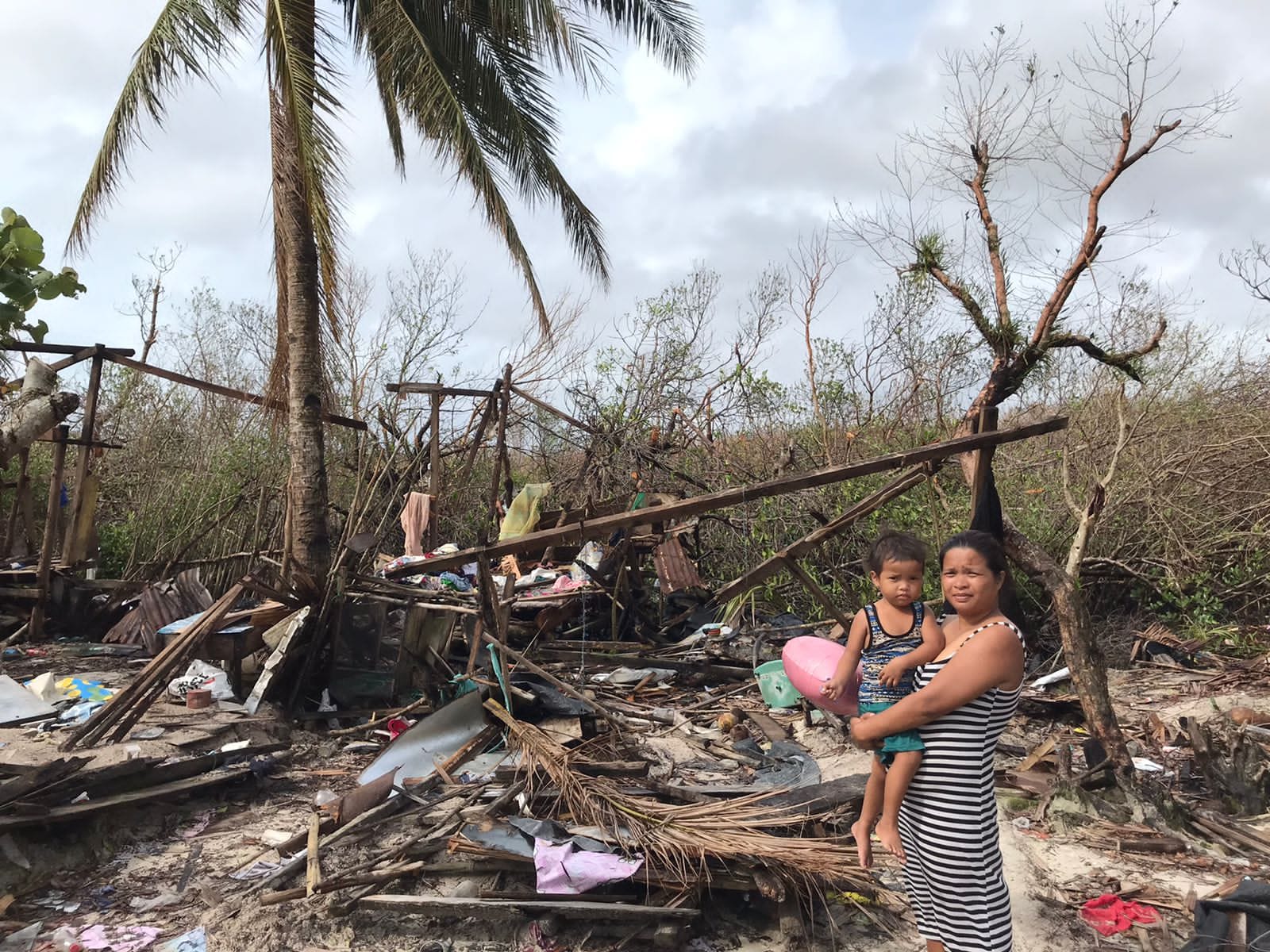
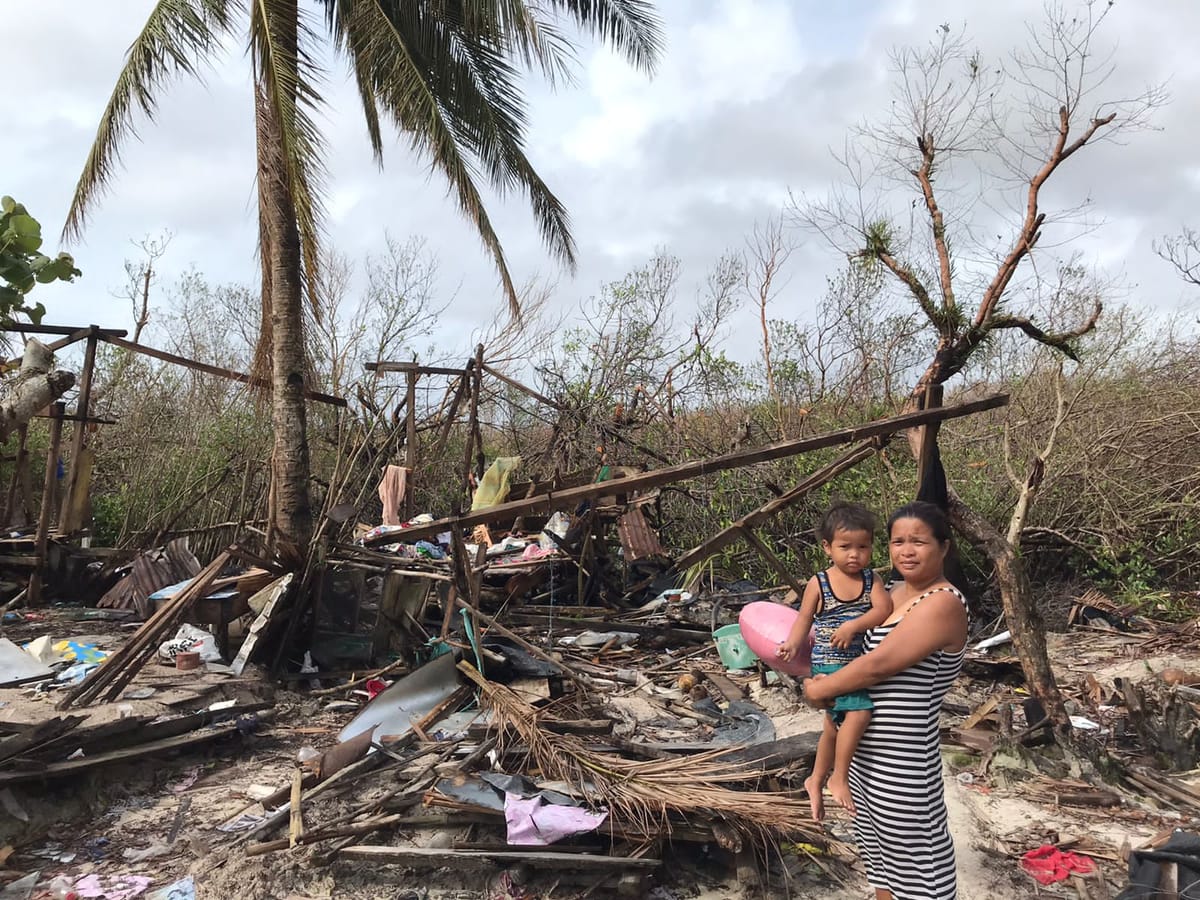
The most devastating natural phenomenon to have ever hit Siargao in the past 35 years, Super-Typhoon Odette brought the hundred-thousand population of the island to a massive state of destruction, homelessness, and hunger. The island-community encountered a huge lack of basic necessities immediately after the event, disrupting the daily lives of all residents and leaving them in dire living conditions.
Here, we enumerate the challenges being experienced by different communities throughout the island. These problems have forced the population into pure survival mode .
Comprising 9 different municipalities with over 100,000 people, Siargao is an island on the easternmost part of the Philippines. Completely surrounded by huge bodies of water, ironically, it is one of the several places in the Philippines that still lacks safe drinking water. The water refilling stations were first introduced in 2010 when several water businesses were put up in Dapa, the commercial center and the island’s capital, and in Del Carmen particularly in Sayak, the town where the airport is located. A number of commercial establishments have been providing safe and purified water to the nine (9) different municipalities since then. All powered by electricity, these water refilling stations supply enough water to different communities that have access to it. However, a very small percentage of communities distant from the main roads still source their drinking water from unpurified wells, and unsafe water springs.
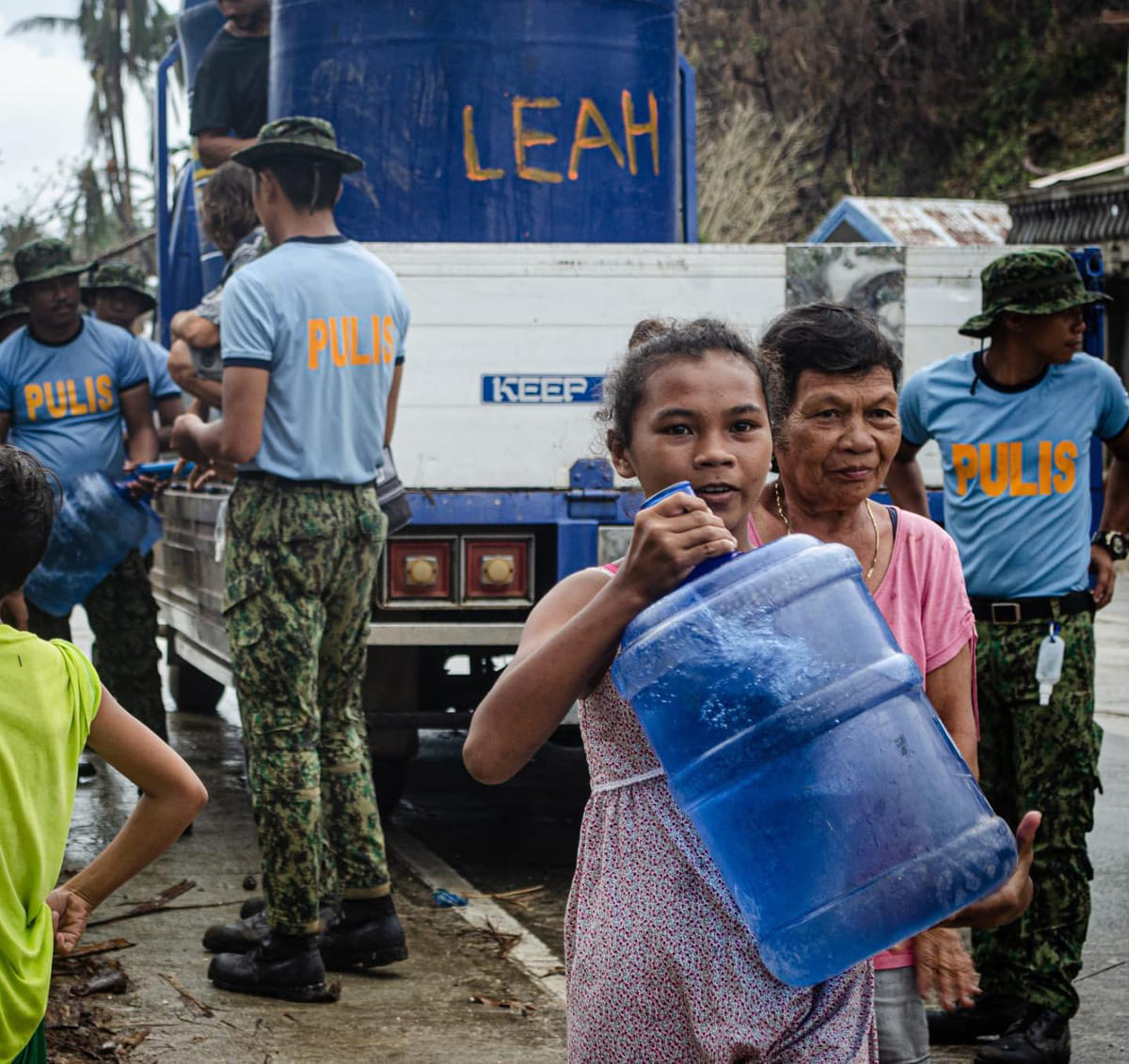
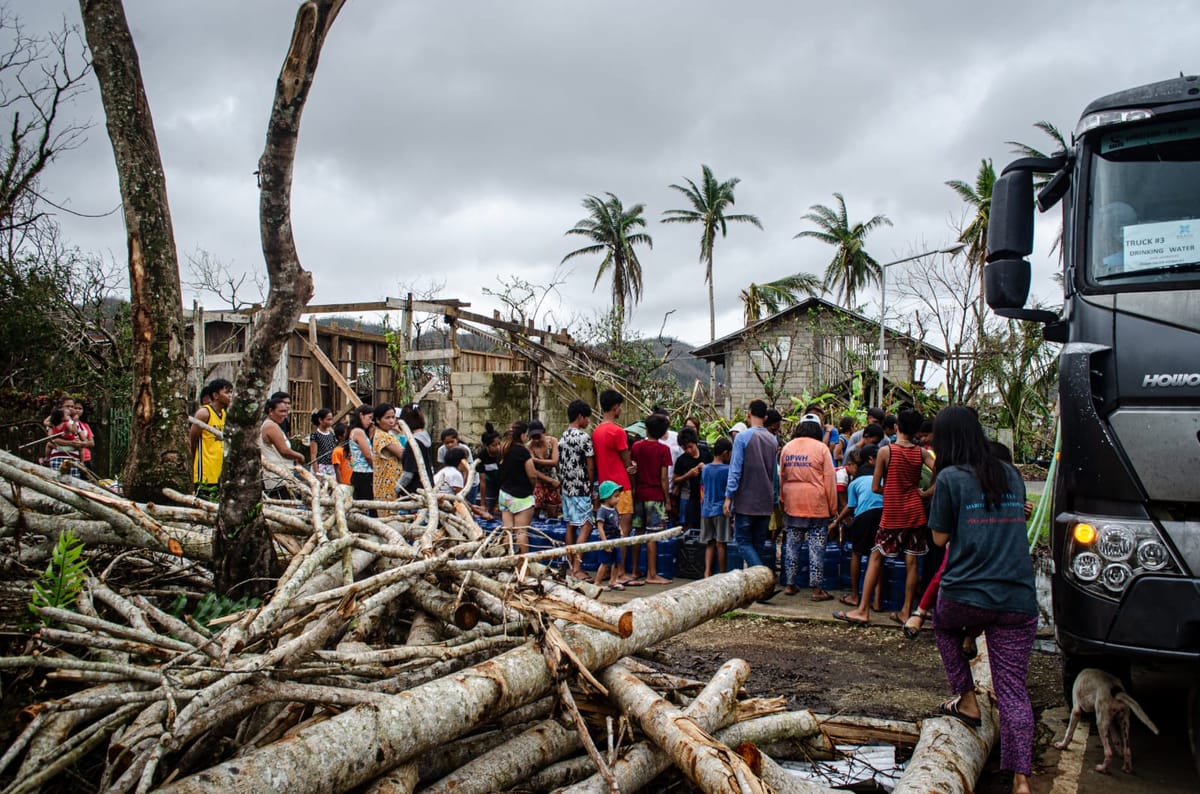
Majority, if not all residents, are relying on electricity-powered water stations. When power shut down on December 16th, the water supply was instantly cut off. No refilling stations were operating, so no small businesses were delivering gallons of water to each and every village. Thousands of people were on a mission to secure their own drinking water in the days after the calamity. Many of these stations were inaccessible as gas was scarce and roads impassable. Businesses didn’t have enough supply to meet the demands of the thirsty residents. Nobody was prepared for the scarcity. Everyone was struggling to get safe drinking water.
Residents in desperation to find water resorted to a number of dangerous and unsanitary alternatives: deep wells, hand water pumps, rainwater, and uncured water springs – different from the conventional purified drinking waters in gallons people get every day. For a short period, these options became the people’s choice. A water spring source over the village of Malinao in General Luna has become an abundant supply of unpurified water. Everyday, the residents line up to fill their containers not knowing what the uncured water might contain. The coastal communities in Purok 1, the upland neighborhood in Tawin-Tawin, the island settlements of Daku and Mamon, all of General Luna, have resorted to manual water-pumps or bomba, as they call it in the local dialect. The water they use to shower and wash clothes is the same water they were using to drink and give to their children. By day 4-5 post-typhoon, the diarrhea cases in Siargao increased rapidly. Hundreds of people getting sick then resulted in a severe rise in cases of dehydration, and the Rural Health Units have reported deaths among infants. The short period of sourcing drinking water from deep-wells and bomba, have resulted in long-time constipation, fatigue, and at worst mortality.
Right now, only a few water purification systems operate due to the absence of generators. With this, it is still not enough to provide the daily water needs of everyone. A daily struggle which we try to combat with the list of solutions we have for the people.
Siargao sources almost all commodities from the mainland (Mindanao). Ferries and Roro (roll-on roll-off) from Surigao City regularly travel to Siargao, bringing in goods like rice, sugar, coffee, milk, medicine, fuel, canned goods and other manufactured instant food. The town of Dapa, where all cargo-carrying trucks are unloaded at the town port, is the commercial center. Sayak Airport in Del Carmen carries tourists and goods as well. The products are distributed to different towns from there, supplying basic necessities for all residents. The fuel stations such as Petron and Nissi also source their gasoline and diesel from Surigao City. Cash, credit card, and GCash (a mobile app) are the best ways to purchase goods. Telecom companies such as Globe and Smart are the main wireless-connection providers. All these scenarios make Siargao dependent mainly on domestic import and internet-powered transactions.
Why was there a lack of food after the typhoon? Why was there a sudden hunger? Here, we write down the different events leading to an instant scarcity all over Siargao.
- There was a lack of stock to feed a hundred-thousand population. Due to the typhoon, the main routes and hubs were heavily destroyed. The airport was non-operational and the ports needed to be closed. The transportation of goods such as rice and essential materials such as medicine, fuel, etc. had to be put on hold, resulting in an instant scarcity of basic necessities.
- There were too many people on the island. The amount of food left is not enough to feed all victims. Since the island is closed and only a few goods are left for the people, this, however, is not adequate to be shared evenly by everyone. People buying huge amounts of rice, canned goods, and water has resulted in the markets being sold out.
- The majority of the residents are from the lower class and live on a hand-to-mouth basis. They work for a day, and what they earn for that day is just enough to feed the whole family for two to three meals. The typhoon has resulted in a huge loss of jobs for most local residents.
- Electricity has shut down. No ATMs are working although two money-remittance businesses are now operating (Palawan and MLhuillier). People couldn’t withdraw cash and cashless transactions was not an option as the island was totally offline. Most tourists and locals prefer to purchase using Gcash and Credit cards so people who had no cash couldn’t secure food and water.
- Prices went overwhelmingly high. The price of a gallon of water doubled. A liter-of-gasoline has increased by 20%. A 60-peso per liter has increased to 75 pesos within three days. Vegetables and fish are priced double. Almost all boats were destroyed so locals cannot fish.
- Unemployment. Majority of the locals are tourism workers. All resorts are damaged. Not even one resort is still operating, leaving everyone in the tourism industry unemployed.
- Lack of transportation. Island barangays such as Daku and Mamon get their goods from General Luna and neighboring towns. With the absence of boats, it’s a challenge for the residents to get food from the market. Locals who cannot purchase fuel for their vehicles are left with whatever food that is available within their barangay.
These situations have resulted in severe hunger post-typhoon. The essential food and goods that the people need to live such as rice, instant goods, milk for the babies, safe drinking water, and even medicine are what we are working towards providing for those who have survived the ruinous typhoon Odette.
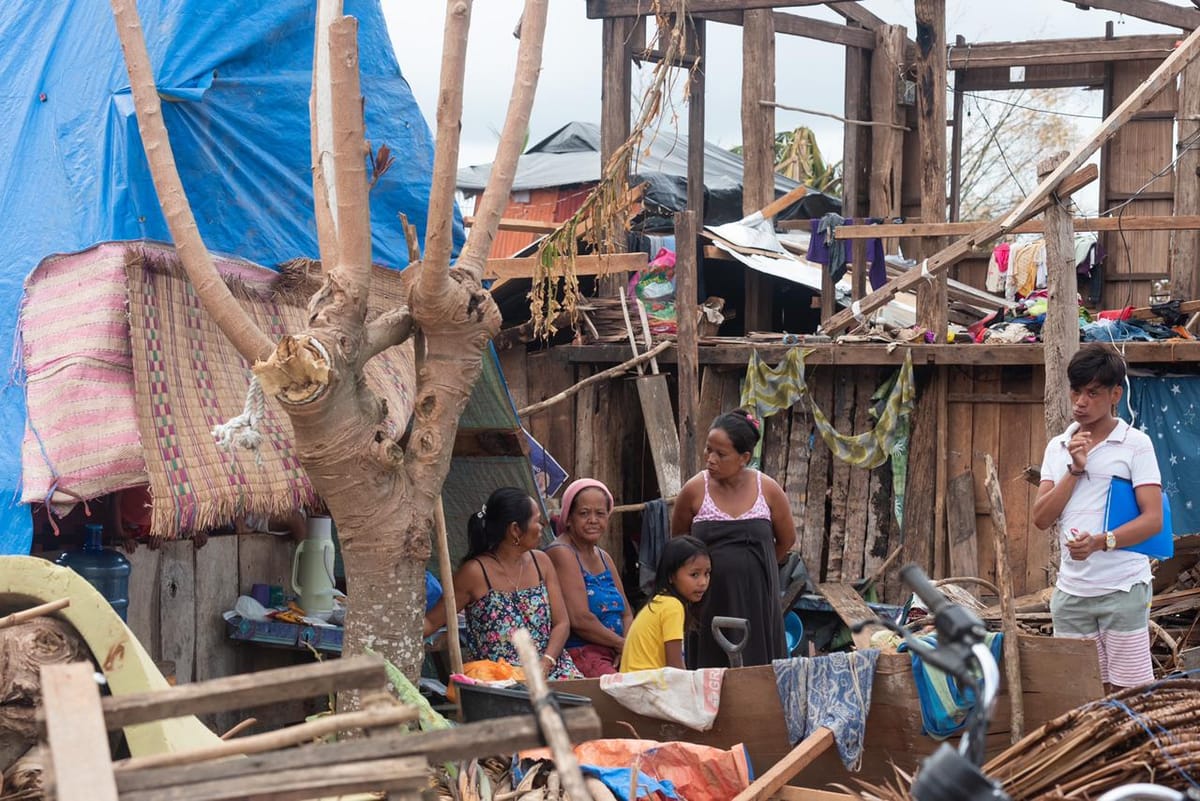
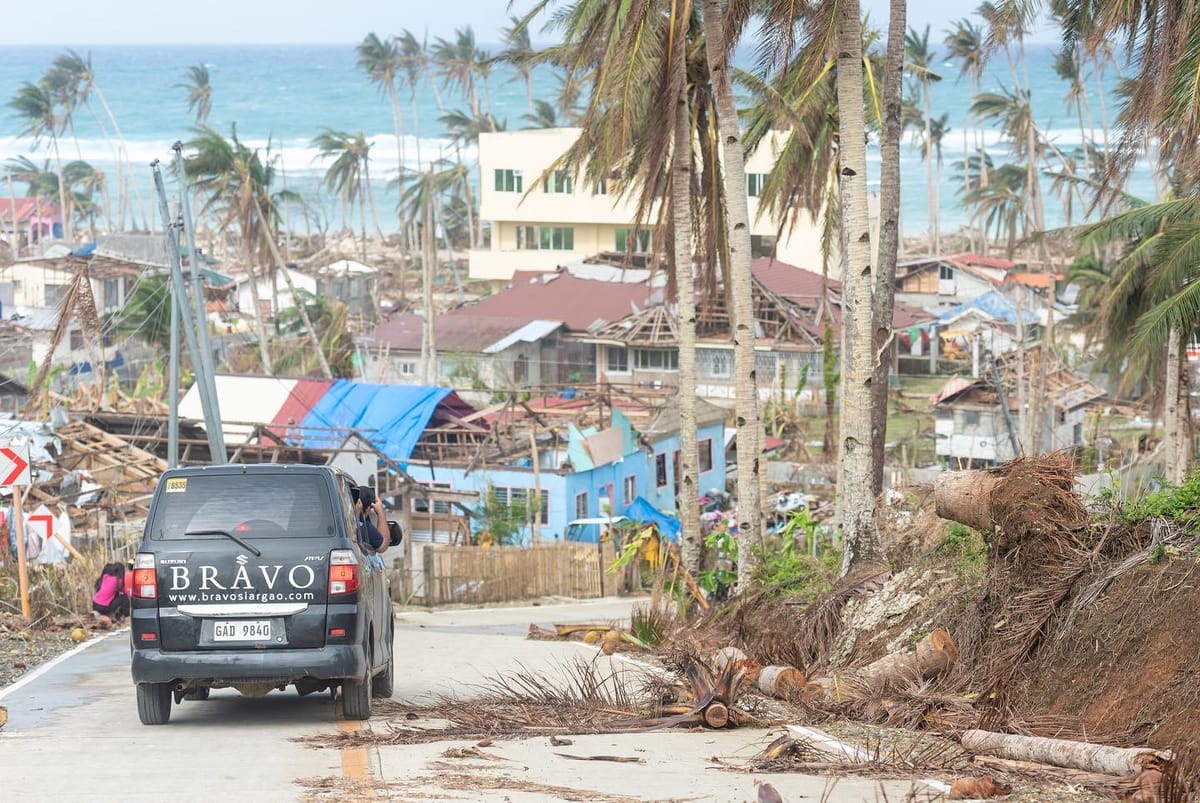
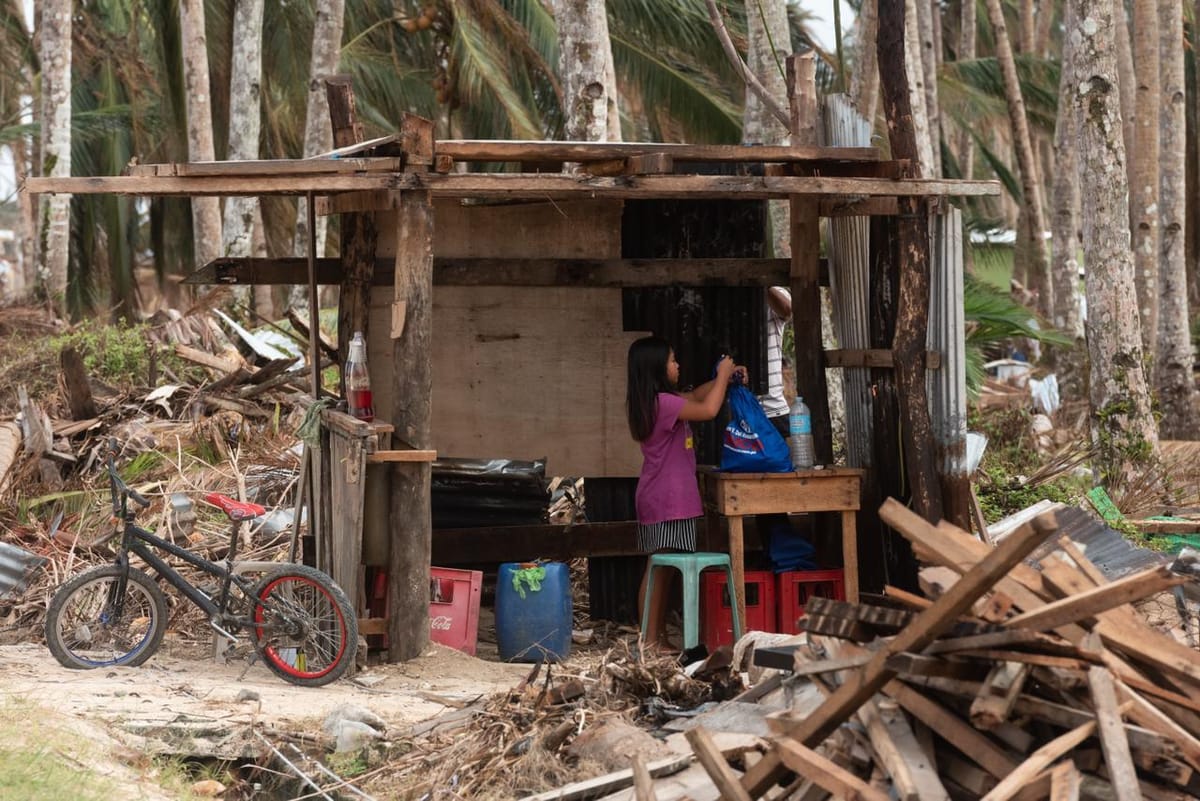
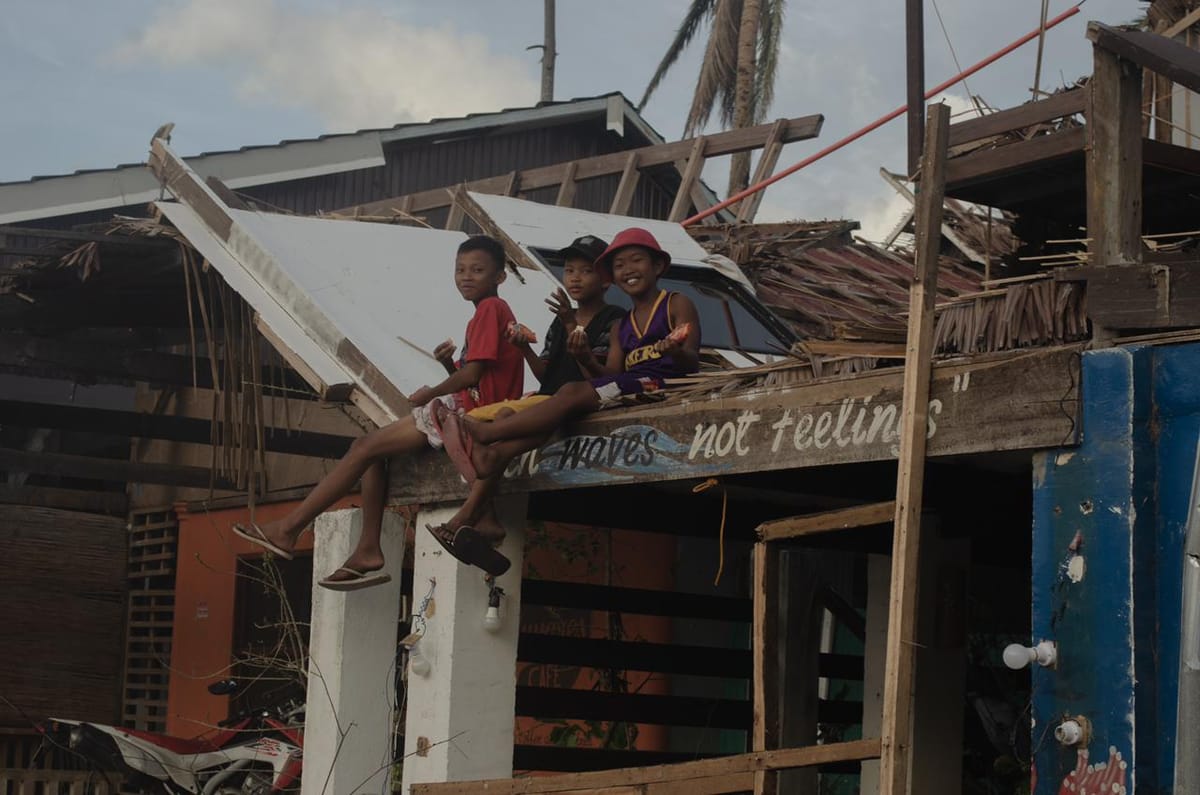
The destruction of the super-typhoon has left thousands of people homeless. Houses made of nipa and wood are totally destroyed. Concrete houses are left roofless. All of this is taking place during the rainy season when it is common to have days on end of rain.
With unemployment and unavailability of funds to construct and restore their shelters, we are doing an initiative for the victims with all the help from different good hearts who have donated. Let’s all help Asia’s best island to rise again. Together, let’s save Siargao!
_76673bec.png)
_0f9c62d6.png)
_e1ceb7eb.png)
_29609ee3.png)